
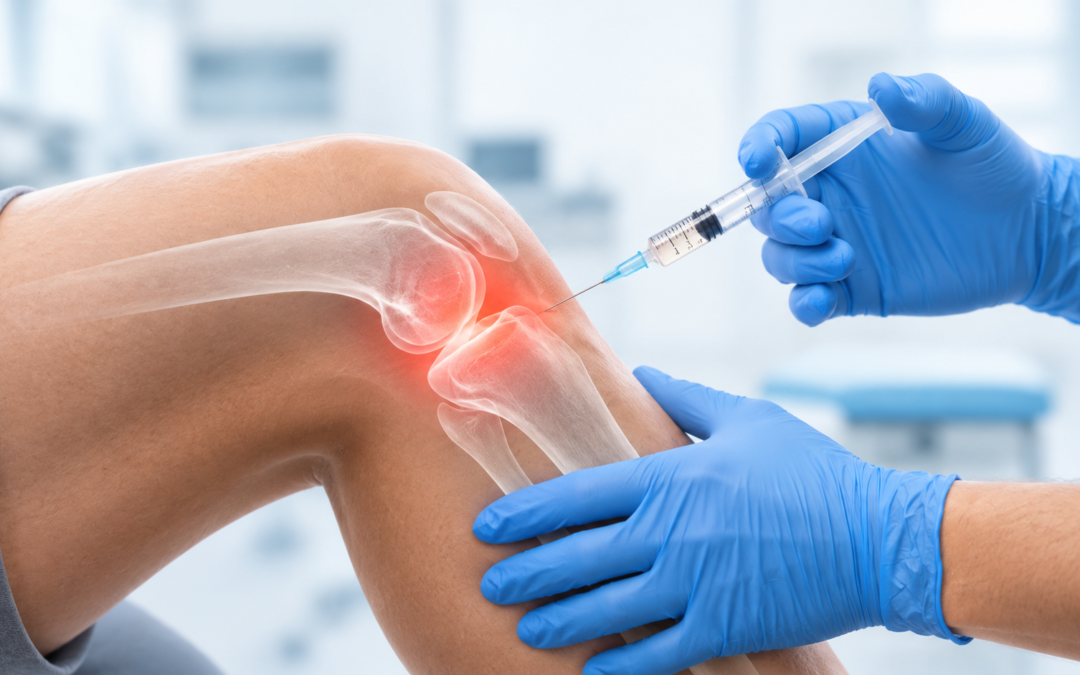
Are you dealing with joint pain, tendon injuries, or discomfort that just won’t go away? You’re not alone, and surgery isn’t always the first step.
At Carolina Orthopaedic & Neurosurgical Associates (CONA), many treatment plans start with non-surgical pain management. These options may help reduce pain, improve how you move, and in some cases delay or avoid the need for surgery.
Here’s a look at some of the treatments our team may recommend, including Platelet-Rich Plasma, also known as PRP.
What Is Non-Surgical Pain Management?
Non-surgical pain management is any treatment that eases pain and restores function without an operation. Most plans combine a few approaches.
Your provider will look at your symptoms, imaging, activity level, and goals to build a plan that fits you. If one option doesn’t give enough relief, there are often others to try.
Common Non-Surgical Pain Management Options
Physical therapy
A physical therapist teaches exercises that strengthen the muscles around a joint, improve flexibility, and take pressure off painful areas. Many people use physical therapy alongside other treatments.
Rest, bracing, and medication
Short-term rest, a brace or splint, and anti-inflammatory medicine can help calm a flare-up. Your provider can tell you which medicines are safe for you to take.
Steroid (cortisone) injections
A corticosteroid is a strong anti-inflammatory medicine. When it’s injected into a joint or the area around it, it may ease pain and swelling for several weeks to a few months. Your provider may limit how often you get them in the same spot.
Hyaluronic acid (gel) injections
These injections add a lubricating substance to the joint. They are most often used for knee arthritis.
Spine injections and nerve treatments
For neck and back pain, options may include epidural steroid injections, nerve blocks, or radiofrequency ablation. Radiofrequency ablation uses heat to quiet the nerves that send pain signals to the brain.
Regenerative treatments like PRP
Some treatments aim to support the body’s own healing instead of only easing symptoms. PRP is one of them.
PRP Injections: Using Your Body’s Natural Healing Process
PRP is a treatment that uses your body’s own platelets to support the natural healing process. Platelets are blood cells that contain growth factors and signaling molecules. These play an important role in tissue repair and healing.
How PRP works
- We take a small sample of your blood, similar to a routine blood draw.
- The sample goes into a specialized machine that separates and concentrates the platelets.
- The concentrated platelets are injected directly into the area being treated.
Who PRP may help
PRP can be a good option for tendon injuries. It can be used for non-surgical management of small tendon tears in the shoulder, knee, hip, and other parts of the body.
PRP is also used during rotator cuff repair surgery. Some research suggests it may help the repaired tendon heal.
What to expect
- The visit is usually short, and you go home the same day.
- It’s common to feel sore at the injection site for a few days.
- Your provider may ask you to avoid certain anti-inflammatory medicines before and after treatment.
- Improvement tends to be gradual over several weeks. Some people need more than one injection.
Risks and Things to Know
As with any treatment, non-surgical options have trade-offs. Talk through these with your provider:
- Injections can cause short-term soreness, swelling, or bruising. Infection is rare.
- Results vary from person to person, and relief may not be permanent.
- Some treatments, including PRP, may not be covered by insurance.
- Non-surgical care isn’t the right fit for every injury. In some cases, surgery is the best path to lasting relief.
When to See a Specialist
It’s a good idea to talk with an orthopaedic or spine specialist if you notice:
- Pain that lasts more than a few weeks, even with rest
- Pain that wakes you up at night or limits your daily activities
- Swelling, weakness, or trouble moving a joint
- Numbness or tingling that travels down your arm or leg
Find the Right Option for You
Non-surgical pain management gives you several ways to treat joint, tendon, and spine pain, and PRP is one of them. Our goal at CONA is to help you explore treatment options that may reduce pain, improve function, and get you back to doing what you love.
If you’re struggling with ongoing joint or tendon pain,schedule an appointment with our team to find out which options could be right for you.
