
Shoulder Specialist
Expert Shoulder Physicians

Board-Certified Specialists

Rapid Appointments

Minimally Invasive Options

24/7 Expert Access
OVERVIEW
Comprehensive Shoulder Treatment & Rehabilitation
The Shoulder Center at Carolina Orthopaedics & Neurosurgical Associates is home to the most highly-trained physicians who are experienced in the treatments of the shoulders. Our specially-trained physicians provide advanced treatment for problems related to the shoulder–from chronic pain related to arthritis or other athletic injuries.
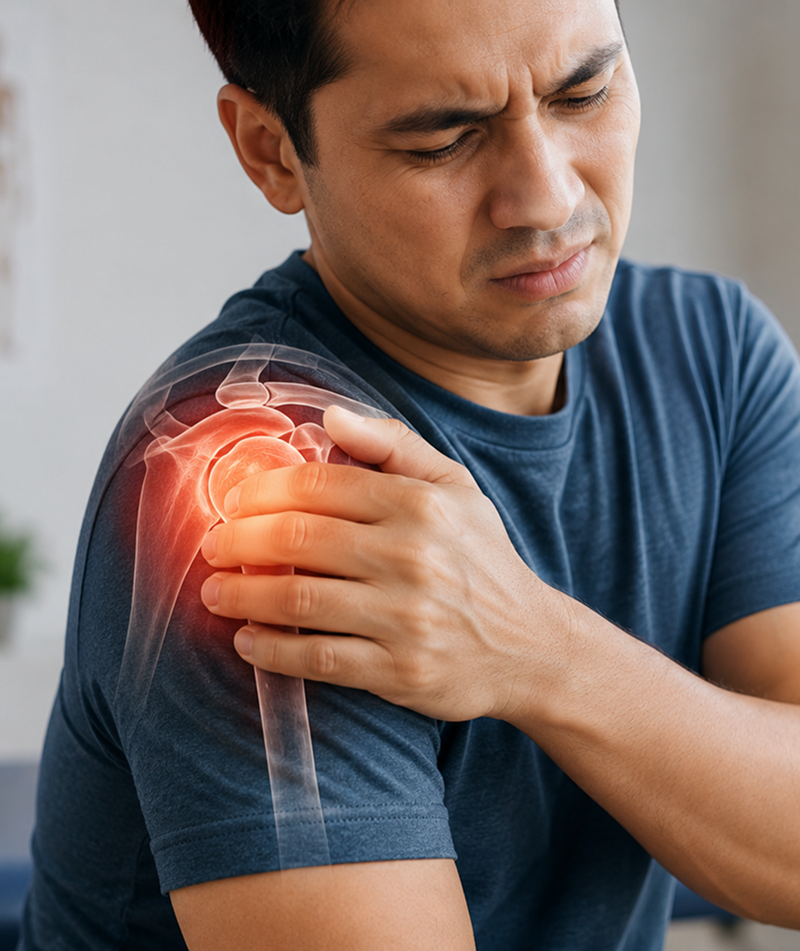
The shoulder is a ball and socket joint made up of three bones. It allows a wide range of motion and is very susceptible to injuries. The shoulder joint is more prone to dislocation than any other joint.
Most shoulder problems often occur from injuries, trauma, overuse, degeneration, arthritis, accident, and age-related wear and tear. Shoulder damage causes pain and a poor range of motion. The pain can cause difficulties in performing your daily activities.
There are a variety of shoulder conditions and injuries that our specialists treat. Please contact our office, if you do not see the condition below.
When Should I Have Shoulder Surgery?
You may need shoulder surgery when nonsurgical treatments are not helping you. Shoulder surgery repairs a damaged, degenerated, or diseased shoulder joint. It helps relieve pain and restore a free range of motion and function.
Living in pain and discomfort is not worth it when you can get long-term relief with surgery and return to doing the things you love.
The Shoulder Center at Carolina Orthopaedic & Neurosurgical Associates has highly-trained physicians who are experienced in the treatments of the shoulder. Our specially-trained physicians provide advanced treatment,
Shoulder surgery is suggested only when all other options have been exhausted. Our Shoulder Center Team is dedicated to treating patients with the most effective course of treatment available.
Common Shoulder Treatments
Shoulder Surgery
Shoulder surgery treats a variety of shoulder injuries and conditions that nonsurgical treatment options cannot treat.

Rotator Cuff Surgery
Rotator cuff injuries are perhaps the most common types of shoulder injuries.
Rotator Cuff Repair
A rotator cuff repair is a minimally invasive procedure that treats a partially or completely torn rotator cuff.

Shoulder Stabilization
Shoulder destabilization injuries are common because the shoulder is the body’s most mobile joint.
Reverse Shoulder Replacement
A reverse total shoulder replacement is a surgical treatment option for a movement-related shoulder arthritis pain.

Shoulder Joint Replacement
A shoulder joint replacement treats an arthritic shoulder joint.
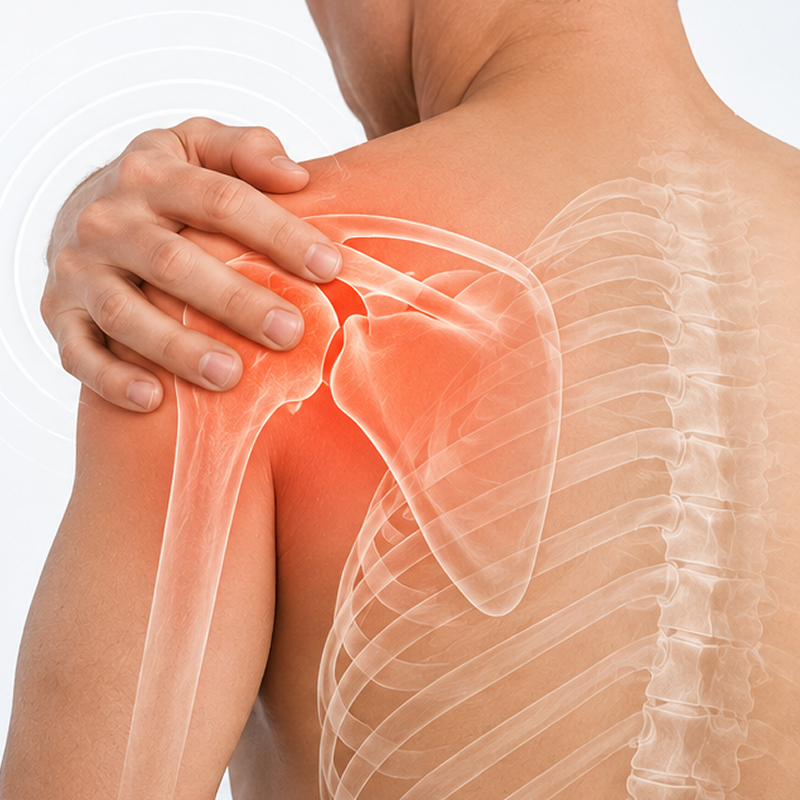
Symptoms of Shoulder Problems
- Swelling
- Numbness
- Severe pain
- Stiffness
- Arm weakness
- Poor sleep quality
- Deformity of the shoulder
- Difficulty moving your shoulder
- Discoloration, bruising, or redness
The Shoulder Center at Carolina Orthopaedic & Neurosurgical Associates has highly-trained physicians who are experienced in the treatments of the shoulder. Our specially-trained physicians provide advanced treatment,
Shoulder surgery is suggested only when all other options have been exhausted. Our Shoulder Center Team is dedicated to treating patients with the most effective course of treatment available.
CONDITIONS
Common Shoulder Conditions
Shoulder Pain
Shoulder Fracture
Rotator Cuff Tear
Separated Shoulder
Broken Clavicle (Collar Bone)
Shoulder Dislocation
Shoulder Bursitis
Labral Tear
Click To Learn More
Frozen Shoulder
Shoulder Impingement
OUR SPECIALISTS
Meet the Team That Gets You Moving Again
Our shoulder specialists diagnose and treat injuries, pain, and conditions to restore strength, stability, mobility, and function.
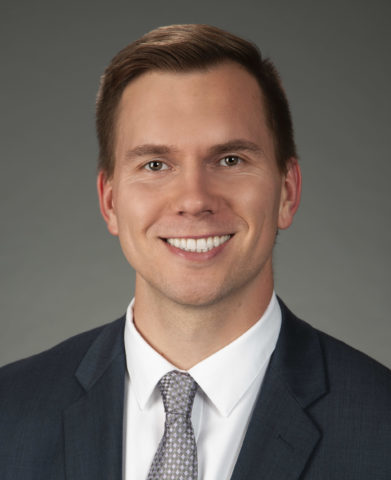
ORTHOPAEDIC SPORTS MEDICINE SURGEON
Mikhail Alexeev, MD
Board-Certified Orthopedic Sports Medicine Specialist
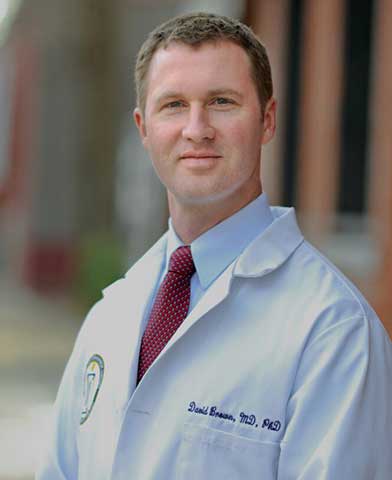
HAND & UPPER EXTREMITY ORTHOPAEDIC SURGEON
David Brown, MD
Fellowship-Trained Hand & Upper Extremity Specialist
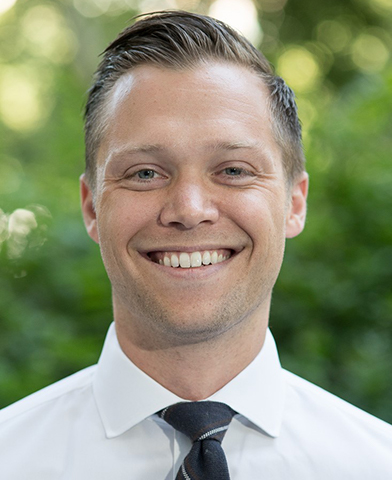
HAND, SHOULDER & ELBOW ORTHOPAEDIC SURGEON
Tyler Luthringer, MD
Fellowship-Trained Upper Extremity Specialist
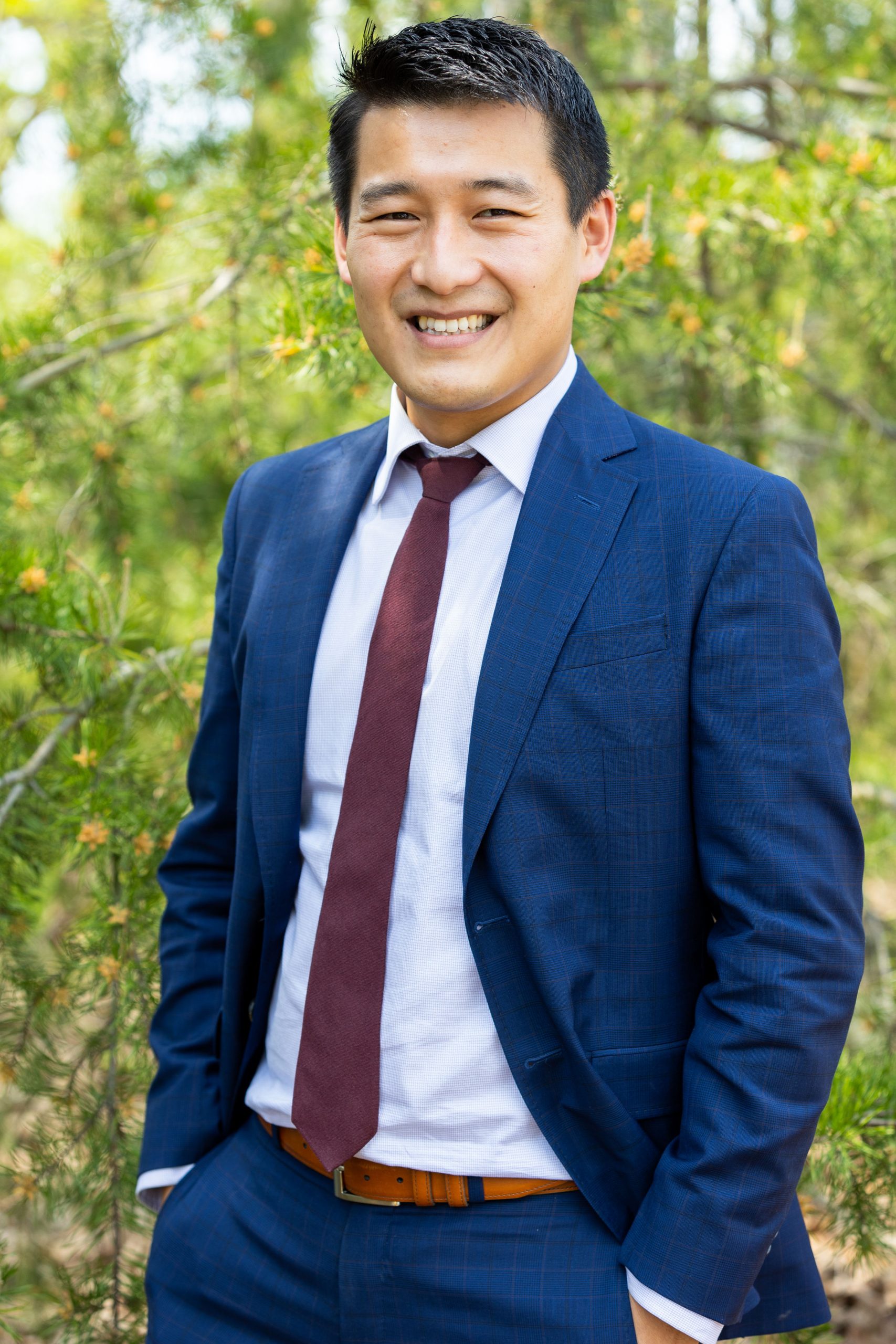
ORTHOPAEDIC SPORTS MEDICINE SURGEON
Ian Gao, MD
Fellowship-Trained Sports Medicine Specialist
FREQUENTLY ASKED QUESTIONS
What are the most common shoulder conditions treated at CONA?
CONA's Shoulder Center treats a wide range of conditions including rotator cuff tears, shoulder impingement, frozen shoulder, shoulder dislocation, labral and SLAP tears, shoulder bursitis, shoulder fractures, separated shoulder, and arthritis. If you're experiencing shoulder pain or limited range of motion, our board-certified specialists can diagnose the cause and recommend the most effective treatment.
How do I know if my shoulder problem requires surgery?
Most shoulder conditions respond well to nonsurgical treatments such as rest, physical therapy, anti-inflammatory medications, and corticosteroid injections. Surgery is recommended only when these conservative approaches have not provided adequate relief, or when there is structural damage — such as a complete rotator cuff tear or recurrent dislocation — that is unlikely to heal on its own. Your CONA shoulder specialist will guide you through this decision.
What is a rotator cuff tear, and how is it treated?
The rotator cuff is a group of four tendons that stabilize and move the shoulder joint. A rotator cuff tear occurs when one or more of these tendons are partially or completely torn, often from injury or gradual wear. Partial tears may be treated with physical therapy and injections, while complete tears often require surgical repair. CONA offers minimally invasive rotator cuff repair for faster recovery and less post-operative discomfort.
What is the difference between a shoulder replacement and a reverse shoulder replacement?
A standard shoulder joint replacement recreates the natural ball-and-socket structure of the shoulder and is typically used for arthritis when the rotator cuff is still intact. A reverse shoulder replacement switches the ball and socket positions — placing the ball on the shoulder blade side and the socket on the arm bone — and is designed for patients whose rotator cuff is severely damaged or irreparable. Your surgeon will recommend the approach best suited to your anatomy and condition.
What symptoms indicate I should see a shoulder specialist?
You should schedule an appointment if you have persistent shoulder pain, significant swelling or bruising, difficulty lifting your arm, a feeling of instability or the shoulder 'giving way,' numbness or weakness in the arm, or pain that disrupts your sleep. Early evaluation leads to better outcomes and may prevent a minor issue from becoming a more serious injury.
How long is recovery after shoulder surgery?
Recovery time depends on the type of procedure. A rotator cuff repair typically involves a sling for several weeks followed by several months of physical therapy, with most patients returning to full activity within four to six months. Shoulder replacement recovery generally takes three to six months. Your CONA care team will provide a personalized recovery plan and timeline based on your specific surgery and health.
Move Forward Fast.
WHERE WE ARE
Find a Location Near You

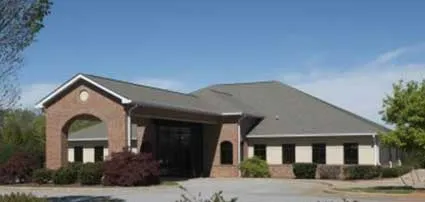
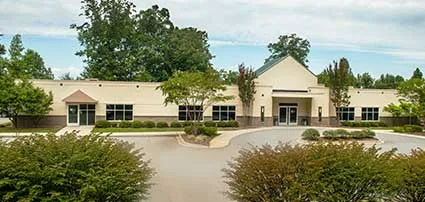
Greenville, SC 29615