
SPARTANBURG • DUNCAN • GREENVILLE, SC

Orthopedic Hip Surgeon

The Leading Hip Treatment Center in Spartanburg, Duncan, and Greenville, SC

Expert Hip Care in South Carolina

Board Certified Specialists 1

Board-Certified Specialists

Rapid Appointments 1

Rapid Appointments

Minimally Invasive Options 1

Minimally Invasive Options

247 Expert Access 1

24/7 Expert Access

OVERVIEW

Why Would My Doctor Recommend Hip Surgery?

Struggling with hip pain that’s not responding to conservative treatments like physical therapy or medication can be complicated, especially if your doctor is recommending surgery.

At Carolina Orthopaedic and Neurological Associates, we understand the complexities and challenges of enduring hip pain that doesn’t improve with conventional treatments like physical therapy or medication. Experiencing such discomfort can be daunting, particularly when surgery becomes a consideration.

Conditions like osteonecrosis and cartilage tears often require specialized orthopedic hip surgery, which might seem overwhelming. However, at our esteemed facilities in Spartanburg, Duncan, and Greenville, our expert physicians are committed to exploring and prioritizing non-surgical treatments first.

Our team is dedicated to providing compassionate, effective care to help you navigate this journey towards better health and comfort.

There are a variety of hip conditions and disorders that our specialists treat. If you do not see a condition below, please contact our office and we will answer any questions you may have.

What Conditions Might Require Hip Surgery?

Common Hip Injuries Leading to Surgery

Our specialists treat a range of hip conditions. The most common injuries requiring orthopedic hip surgery include:

Fracture :  Breaks near the hip in the upper part of the femur, often caused by trauma.

Bursitis :  Inflammation of the bursa, a fluid-filled sac in joints.

Dislocation :  Occurs when the head of the femur moves out of its socket.

Labral Tear :  Damage to the cartilage surrounding the hip joint socket.
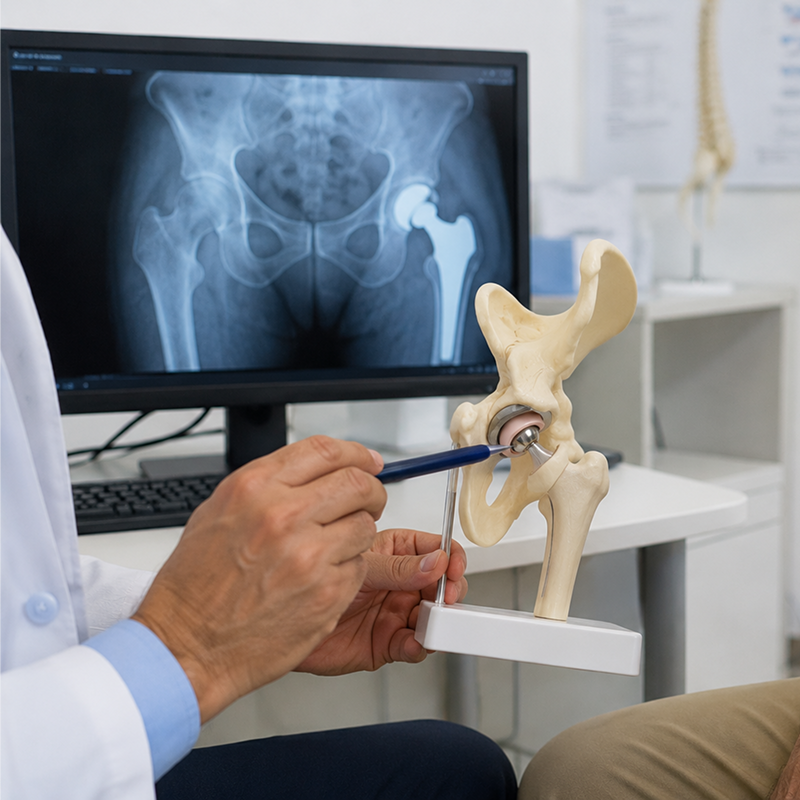
hip-surgery
TREATMENTS

Common Hip Treatments

Hip surgery is suggested only when all other options have been exhausted. Our Hip Center Experts are dedicated to treating patients with the most effective course of treatment available.

Hip Pain

The ball and socket hip joint is important because it stabilizes and moves the trunk or core. An accident, injury or medical condition can cause hip pain that makes performing everyday movements and activities difficult.  An appointment with a Carolina Orthopaedic and Neurosurgical Associates (CONA) hip specialist should be made if a serious accident or injury causes hip pain or non-accident/noninjury related hip pain does not go away on its own.

Learn more about  Hip Pain

Hip Arthritis
Hip arthritis is a common condition that inflames and damages hip bone, cartilage and soft tissue. Mild hip arthritis can be aggravating and uncomfortable. Moderate to severe hip arthritis can make it difficult to perform everyday movements and decrease the quality of life. Because hip arthritis is a chronic condition, treatment is centered around slowing down or stopping disease progression. An appointment with a Carolina Orthopaedic and Neurosurgical Associates (CONA) hip specialist should be made at the first sign of hip arthritis symptoms.

Learn more about Hip Arthritis

Total Hip Replacement
The damaged bone and cartilage are removed and replaced with prosthetic components during a total hip replacement (also known as total hip arthroplasty). If you decide to have hip replacement surgery, your orthopaedic surgeon may request that you undergo a thorough physical examination by your primary care physician prior to the procedure. An appointment with a Carolina Orthopaedic and Neurosurgical Associates (CONA) hip specialist should be made at the first sign of significant hip pain.

Additional Information for Total Hip Replacement.

Hip Dislocation
A hip dislocation involves the head of the thighbone (femur) coming out of the socket of the hip joint. Most of the time, it takes a lot of force to move the hip out of place, and it is usually caused during a car accident, from a big fall, an injury from sports, or a workplace accident.

Learn more about Hip Dislocation.

Gout
Gout can be a painful condition that occasionally requires collaborative care between rheumatologists, orthopedists, and neurologists to increase the patient’s quality of life. Some patients with gout may only experience one or two flares their whole lives, while others may have painful recurrent problems.

Learn more about Gout.

Hip Fracture
A hip fracture is a break in the upper part of the thigh bone (femur) near its articulation with the pelvis. A hip fracture may make it difficult to walk, bear weight, stand or sit. An appointment with a Carolina Orthopaedic and Neurosurgical Associates (CONA) hip specialist should be made as soon as possible after an accident or injury causes hip fracture symptoms.

Learn more about Hip Fractures

Hip Bursitis
Bursae are fluid-filled sacs that lie between joint bones and soft tissues. The two hip bursae are located on the hip bone point (the greater trochanter) and the inside of the hip near the groin. Hip bursitis is inflammation of the hip bursae. An appointment with a Carolina Orthopaedic and Neurosurgical Associates (CONA) hip specialist should be made when hip bursitis symptoms are experienced.

Learn more about Hip Bursitis

Hip Joint Injections
A hip injection is a medicine injection into the hip joint. The medication can help with pain and inflammation relief. It can also aid in the diagnosis of hip pain. An appointment with a Carolina Orthopaedic and Neurosurgical Associates (CONA) hip specialist should be made when hip pain symptoms are experienced.

Additional Information for Hip Joint Injections.

Hip Impingement
Hip impingement, also called femoroacetabular impingement (FAI), happens when the femoral head, or “ball of the hip,” presses against the acetabulum, or “cup of the hip”.  When this happens, the cartilage around the acetabulum, called the labrum, can get damaged. This can make the hip stiff and painful and can lead to arthritis.

Additional Information for Hip Impingement

Hip Arthroscopy
Hip arthroscopy is a new minimally invasive treatment option that treats many hip injuries and conditions. Patients who experience hip pain are encouraged to make an appointment with a Carolina Orthopaedics and Neurosurgical Associates (CONA) hip specialist to receive an official diagnosis and find out if hip arthroscopy is an appropriate treatment option.

Learn more about Hip Arthroscopy

Hip Labrum Tear
The hip labrum is a rim of soft tissue that surrounds the pelvic acetabulum and acts like a gasket to hold the femoral head in an anatomical position. A torn hip labrum causes hip joint instability and possibly hip joint subluxation or dislocation. An appointment with a Carolina Orthopaedic and Neurosurgical Associates (CONA) hip specialist should be made when an accident or injury occurs and hip labrum tear symptoms present. If left untreated, it could lead to more serious issues that would involve orthopedic hip surgery.

Learn more about Hip Labrum Tears

Partial Hip Replacement
Your doctor replaces the ball of your hip joint but not the socket during partial hip replacement. Metal, ceramic, or plastic is used to make the artificial part. This surgery is used to repair specific types of hip fractures. Patients who experience hip pain are encouraged to make an appointment with a Carolina Orthopaedics and Neurosurgical Associates (CONA) hip specialist to receive an official diagnosis and find out if hip arthroscopy is an appropriate treatment option.

Additional Information on Partial Hip Replacement.

Hip Dysplasia
Hip dysplasia is the medical term for a hip socket that doesn’t fully cover the ball part of the upper thighbone. This lets the hip joint move out of place, either partially or fully. Most people who have hip dysplasia have it from birth.
Patients who experience hip pain are encouraged to make an appointment with a Carolina Orthopaedics and Neurosurgical Associates (CONA) hip specialist to receive an official diagnosis and start your treatment path.

Additional Information on Hip Dysplasia.

OUR SPECIALISTS

Meet the Team That Gets You Moving Again

Our hip specialists provide expert diagnosis and treatment for hip injuries, arthritis, fractures, and other conditions to relieve pain, restore mobility, and improve quality of life.

Alexeev9127 8x10 scaled e1656684867479
ORTHOPAEDIC SPORTS MEDICINE SURGEON

Mikhail Alexeev, MD

Board-Certified Orthopedic Sports Medicine Specialist

Efird Headshot copy
JOINT REPLACEMENT ORTHOPAEDIC SURGEON

William Efird, MD

Fellowship-Trained Hip & Knee Replacement Specialist

HIP SURGERY GUIDE

3 Things to Expect from Hip Surgery at Carolina Orthopaedic and Neurological Associates
Why Choose CONA for Hand and Wrist Care 6

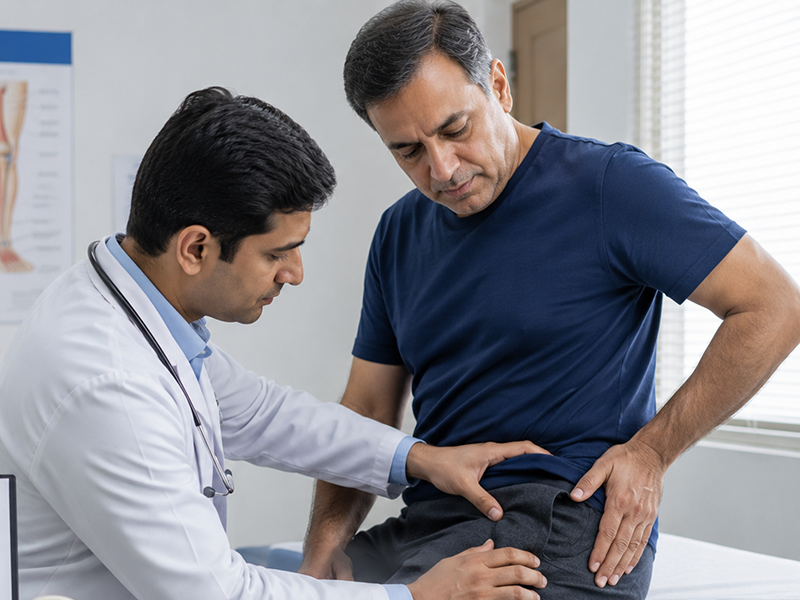
Before Hip Surgery

Preparation includes physical examinations, blood and urine tests, electrocardiograms, stress tests, X-rays, and radiographs to ensure readiness for surgery.
Why Choose CONA for Hand and Wrist Care 7

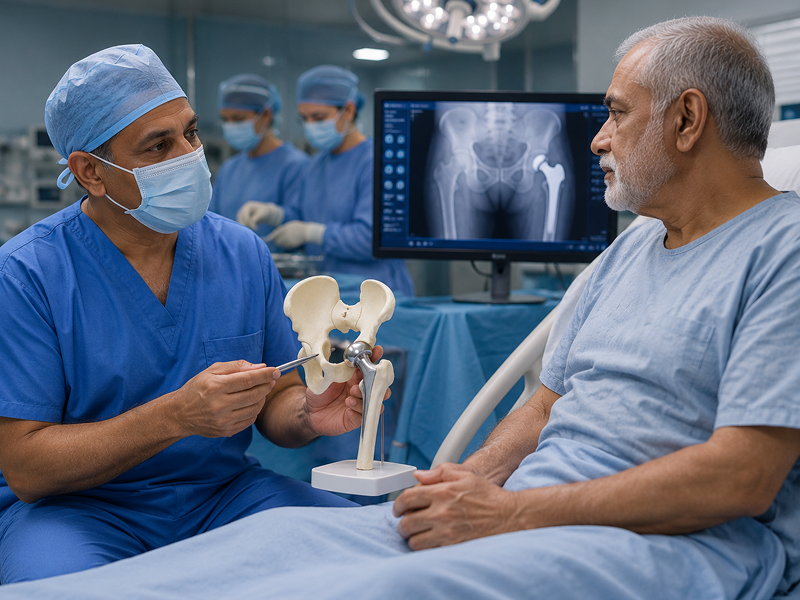
During Hip Surgery

Patients will meet with surgeons and anesthesiologists to discuss procedures. We advise wearing loose-fitting clothing for comfort and ease during the surgery process.

Why Choose CONA for Hand and Wrist Care 8

After Hip Surgery

Recovery varies but typically spans two to four weeks, depending on factors like activity level, age, nutrition, and overall health. Post-surgery, patients are advised to avoid certain movements to ensure proper healing.
CONDITIONS

Identifying Hip Injuries

Hip injuries can be prevalent across all age groups, particularly in athletes, overweight individuals, and seniors. These injuries may also impact nearby areas like the sciatica, leg, groin, or spine, complicating diagnosis.

What Are the Types of Hip Surgery?

Hip Surgery Procedures at Carolina Orthopaedic and Neurological Associates:

We offer various hip surgery procedures, considering the patient’s specific condition and health background. Our Hip Center Experts in Spartanburg, Duncan, and Greenville, NC, are dedicated to providing the most effective treatments.

Our approach to hip treatment is conservative, suggesting surgery only after exploring all other options. We focus on:

FREQUENTLY ASKED QUESTIONS

Hip FAQs

What hip conditions does CONA treat?
CONA’s Hip Center treats hip arthritis, hip fractures, hip dislocations, hip bursitis, labral tears, hip impingement (femoroacetabular impingement), hip dysplasia, osteonecrosis, gout, and other hip conditions. Our specialists use a conservative-first approach, recommending surgery only after nonsurgical options have been thoroughly explored.

What are the signs that I might need hip surgery?
You may be a candidate for hip surgery if you have significant hip pain that has not responded to physical therapy, medications, or injections; difficulty walking, climbing stairs, or performing daily activities; a hip fracture or dislocation requiring structural repair; or advanced arthritis with bone-on-bone joint damage. Your CONA hip specialist will evaluate your imaging and functional limitations to recommend the most appropriate treatment.

What is the difference between a total hip replacement and a partial hip replacement?
A total hip replacement (total hip arthroplasty) removes and replaces both the ball (femoral head) and the socket (acetabulum) with prosthetic components. A partial hip replacement only replaces the ball portion and is typically used for certain types of hip fractures when the socket is still healthy. Your surgeon will recommend the appropriate procedure based on your specific condition and overall health.

What is hip impingement, and how is it treated?
Hip impingement, also called femoroacetabular impingement (FAI), occurs when the ball of the femur presses abnormally against the hip socket, causing friction that can damage the cartilage and labrum over time. It often causes groin pain and stiffness. Mild cases may be managed with activity modification, physical therapy, and injections. More severe cases, particularly when the labrum is torn, may require hip arthroscopy — a minimally invasive procedure to reshape the joint and repair the labrum.

How long does it take to recover from hip surgery?
Recovery from hip surgery typically spans two to four weeks before patients can resume light activity, with a full return to normal function taking three to six months depending on the procedure. Factors like age, overall health, activity level, and nutrition influence recovery speed. Post-surgery, physical therapy is essential to restore strength and mobility, and certain movements may be restricted during the healing process to protect the new joint.
Can hip pain be a sign of something other than a hip problem?
Yes. Hip pain can sometimes originate from the lower back, SI joint, or even the groin rather than the hip joint itself. Conditions like sciatica, sacroiliac joint dysfunction, or a hernia can all cause pain in the hip region. CONA’s multispecialty team is well-positioned to evaluate these overlapping conditions, ensuring an accurate diagnosis and the most effective treatment plan.
PATIENT CARE

Personalized Care and Advanced Treatments at Carolina Orthopaedic and Neurological Associates

At Carolina Orthopaedic and Neurological Associates, we understand that each patient’s situation is unique. Our team of experienced surgeons and healthcare professionals is committed to providing personalized care tailored to each individual’s needs. We utilize the latest techniques and technologies in hip surgery to ensure the best outcomes for our patients. From initial consultation to post-operative care, we are dedicated to supporting our patients every step of the way.

Ready to Take the Next Step? Contact Us Today!

If you or a loved one is experiencing hip pain or considering hip surgery, don’t wait. Contact Carolina Orthopaedic and Neurological Associates today to schedule a consultation. Our expert team in Spartanburg, Duncan, and Greenville, NC, is ready to help you find the best solution for your needs. Call us or visit our website to learn more and take the first step towards improved mobility and quality of life.
WHERE WE ARE

South Carolina Orthopedic Hip Surgery Locations

NorthGroveoffice1 425x202 1
1330 Boiling Springs Rd, Ste 1660 Spartanburg, SC 29303
Duncan Office CONA
115 Deacon Tiller Ct. Duncan, SC 29334
Greenville Office CONA
220 Roper Mountain Road Ext.
Greenville, SC 29615