

SPARTANBURG • DUNCAN • GREENVILLE, SC

Elbow Doctor

Orthopedic Elbow Treatment in South Carolina Expert Elbow Care
Board Certified Specialists 1

Board-Certified Specialists

Rapid Appointments 1

Rapid Appointments

Minimally Invasive Options 1

Minimally Invasive Options

247 Expert Access 1

24/7 Expert Access

OVERVIEW

Advanced Elbow Care & Treatment

The Elbow Center at Carolina Orthopaedics & Neurosurgical Associates has highly-trained physicians who are experienced in the treatments of the elbows. Our specially-trained physicians provide advanced treatment for problems related to the elbow–from tennis elbow to chronic pain related to arthritis or other athletic injuries.

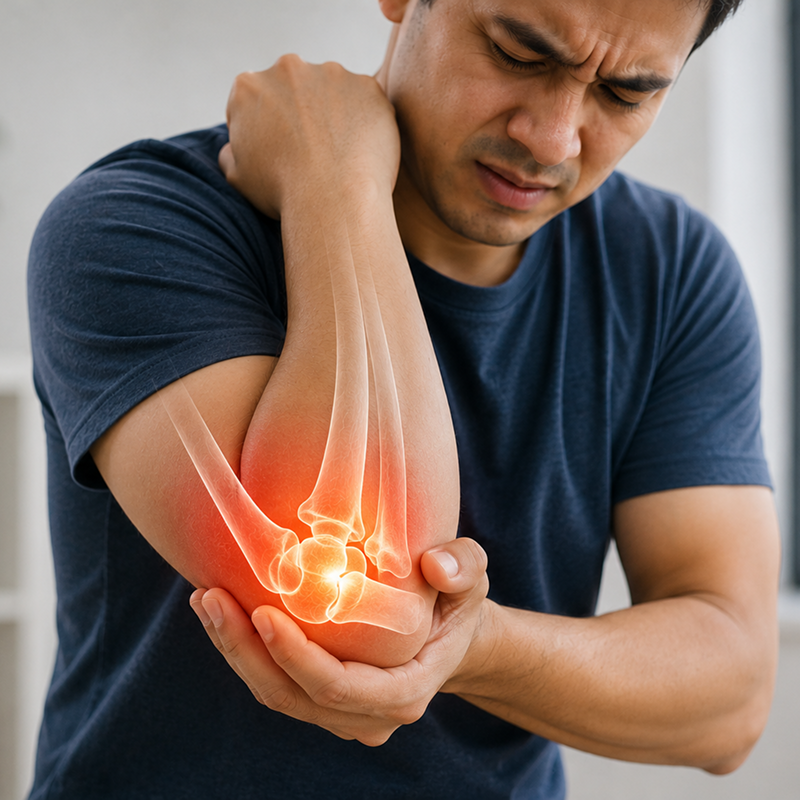
Injury, overuse, arthritis, traumatic fractures, and age-related wear & tear can cause elbow damage. Elbow damage can lead to pain and immensely affect your range of motion. The pain can cause difficulties in performing your daily activities.

If left untreated, symptoms may spread to other body parts like your shoulder. This is because your shoulder tries to overwork itself when your elbow is not functioning well.

There are a variety of elbow conditions and injuries that our specialists treat. Please contact our office, if you do not see the condition below.

When do you Need Elbow Surgery?

Most elbow problems can be relieved with nonsurgical treatments such as rest, physical therapy, medications, brace, injections, and other conservative treatments. But your elbow condition may not improve after these treatments and may worsen.

You may need elbow surgery when nonsurgical treatments are not helping you. Surgery can help you reduce pain and restore elbow function.

Living in pain and discomfort is not worth it when you can get long-term relief with surgery and return to doing the things you love. If you’re experiencing severe pain that worsens with elbow movements, stiffness, and an altered range of motion, it may be time for elbow surgery.

The Elbow Center at Carolina Orthopaedic & Neurosurgical Associates has highly-trained physicians who are experienced in the treatments of the elbows. Our specially-trained physicians provide advanced treatment, including.
Why Choose CONA for Hand and Wrist Care 3
ELBOW SURGERY CARE

Advanced Elbow Surgery & Treatment Options

Elbow surgery is suggested only when all other options have been exhausted. Our Elbow Center Team is dedicated to treating patients with the most effective course of treatment available.


Common Elbow Treatments :

elbow 1

Elbow Arthroscopy

Elbow arthroscopy is a minimally invasive procedure that treats a variety of elbow conditions and injuries.
Click To Learn More

elbow

Total Elbow Replacement

Total elbow replacement is a surgical treatment option for severe elbow arthritis that does not improve after nonsurgical treatment.

Click To Learn More

injury

UCL Repair

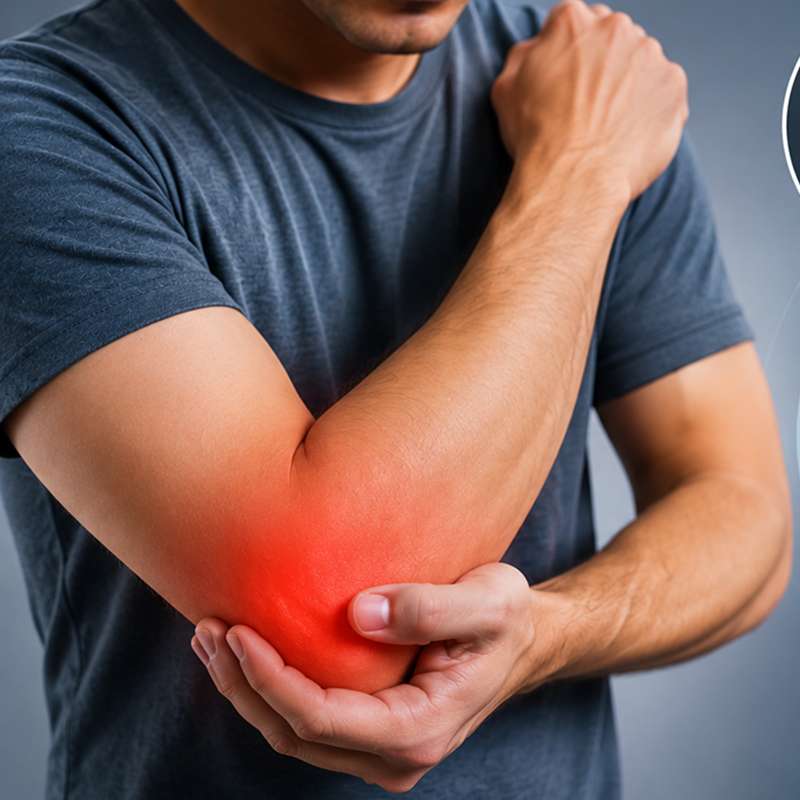
Tennis elbow is inflammation of the tendons that insert on the outside (lateral) part of the elbow.
Click To Learn More

gout 1

Elbow Tenotomy

Elbow tenotomy treats severe tennis and golfer’s elbow that does not respond to nonsurgical treatment.
Click To Learn More

Why Choose CONA for Hand and Wrist Care 2

Symptoms of Elbow Problems

The symptoms of elbow problems may include:

  • Swelling
  • Numbness
  • Severe pain
  • Stiffness
  • Deformity of the elbow
  • Altered range of motion
  • Discoloration, bruising, or redness
  • A tight sensation in the area of the elbow
  • A cut or open wound due to a traumatic injury
PRE-SURGERY PREPARATION

How to Prepare for Elbow Surgery

The first thing is to see your primary doctor to be sure that there are no other medical conditions that need to be addressed before your surgery. If you are taking any medications or supplements, inform your orthopedic surgeon because you may be asked to stop taking some of them before your surgery. Some of these medications can cause you to bleed during surgery.

Your orthopedic surgeon may call for blood tests, an electrocardiogram, chest X-ray, or a more extensive evaluation to safely perform your elbow surgery. Make sure to follow the instructions on when to stop eating or drinking before your surgery.

If you smoke, you may want to stop because smoking can slow your healing and recovery. Try to shed a few pounds if you’re overweight.

Take note of things you need to do post-surgery, especially the changes that you need to make at home. For example, what things can you carry without help, what exercises can help with recovery, how long you should stay off work, etc?

At Carolina Orthopaedic and Neurosurgical Associates (CONA), our board-certified physicians can help you get back to the things you love as fast as possible. Click the button below today to book an appointment at one of our locations.

CONDITIONS

Common Elbow Conditions

Elbow Pain
Elbow pain is a common type of pain that makes it difficult to perform many key upper extremity movements. The key to effective elbow pain treatment is identifying the cause. Board-Certified and Fellowship-Trained Carolina Orthopaedic and Neurosurgical Associates’ (CONA) elbow specialists accurately diagnosis the elbow pain cause and create a customized treatment plan to dramatically reduce pain and other unpleasant symptoms.
Click To Learn More
Elbow Fractures
The olecranon, a part of the ulna forearm bone, is found at the tip of the elbow. An elbow fracture occurs when the olecranon breaks. An elbow fracture will not heal on its own and needs to be medically treated. An appointment with a Carolina Orthopaedic and Neurosurgical Associates’ (CONA) elbow specialist should be made as soon as possible when elbow fracture symptoms are experienced after an elbow injury.
Click To Learn More
Elbow Dislocation
A dislocated elbow occurs when the elbow bones are partially or completely separated. The injury is considered a medical emergency—the bones need to be put back in an anatomical position as soon as possible. An appointment with a Carolina Orthopaedic and Neurosurgical Associates’ (CONA) elbow specialist should be made immediately after the injury.


Click To Learn More

Cubital Tunnel Syndrome
Cubital tunnel syndrome happens when the ulnar nerve on the inside of the elbow, which goes through the cubital tunnel, which is a tube made of muscle, ligament, and bone, suffers an injury and becomes swollen, red, and irritated.

The pain from cubital tunnel syndrome is similar to the pain you feel when you hit the “funny bone” in your elbow. The “funny bone” in the elbow is actually the ulnar nerve, which runs across the elbow, starting on the side of your neck and going all the way down to your fingers.

Click To Learn More

Epicondylitis
Epicondylitis is inflammation of the elbow tendons. There are two epicondylitis types:


  1. Lateral epicondylitis (tennis elbow). Inflammation of the tendons on the outside part of the elbow.
  2. Medical epicondylitis (golfer’s elbow). Inflammation of the tendons on the inside part of the elbow.

Both types present with the same symptoms. Symptoms are dramatically reduced when an accurate diagnosis is made and an effective treatment plan is prescribed. Patients should make an appointment with a Carolina Orthopaedic and Neurosurgical Associates’ (CONA) as soon as symptoms present.

Click To Learn More

Tennis Elbow
Tennis elbow is inflammation of the tendons that insert on the outside (lateral) part of the elbow. Stick sports athletes and manual laborers commonly experience tennis elbow. Early tennis elbow treatment ensures symptom relief and a quick return to normal activities. Please make an appointment with a Carolina Orthopaedic and Neurosurgical Associates’ (CONA) elbow specialist as soon as symptoms present.

Click To Learn More

Golfer's Elbow
Golfer’s elbow is a disease that causes pain where the tendons of your forearm muscles connect to the bony bump on the inside of your elbow. You might feel pain in your hand and wrist as well.

Tennis elbow and golfer’s elbow are similar. Golfer’s elbow can happen to golfers, tennis players, and other people who use their arms or fingers a lot, not necessarily just in athletes.

Click To Learn More

Elbow Bursitis
Elbow bursitis is inflammation of the elbow bursa—a fluid filled sac that cushions the elbow joint. An appointment with a Carolina Orthopaedic and Neurosurgical Associates (CONA) elbow specialist should be made when elbow bursitis symptoms are experienced.

Click To Learn More

Ulnar Nerve Entrapment
Ulnar nerve entrapment or cubital tunnel syndrome occurs when the ulnar nerve is entrapped in the area where it passes through the elbow bone. A tissue tunnel known as the cubital tunnel presses against the nerve and causes symptoms in the ring and little fingers. Patients who experience symptoms should make an appointment with a Carolina Orthopaedic and Neurosurgical Associates’ (CONA) elbow specialist as soon as possible.


Click To Learn More

Ruptured Biceps Tendon

The biceps is a long muscle that helps flex the arm. One of the biceps tendons inserts on the elbow. A biceps tendon rupture occurs when the tendon is torn from its insertion point. The injury is rare but serious. An appointment with a Carolina Orthopaedic and Neurosurgical Associates’ (CONA) elbow specialist should be made as soon as possible.

Click To Learn More

UCL Tear
The ulnar collateral ligament (UCL) stabilizes the inside part of the elbow joint. A partial or complete UCL tear is a serious injury that will not heal on its own. A Carolina Orthopaedic and Neurosurgical Associates’ (CONA) elbow specialist should see the injury as soon as possible.
Click To Learn More
OUR SPECIALISTS

Meet the Team That Gets You Moving Again

Our elbow specialists diagnose and treat injuries, pain, and conditions to restore strength, function, mobility, and comfort.
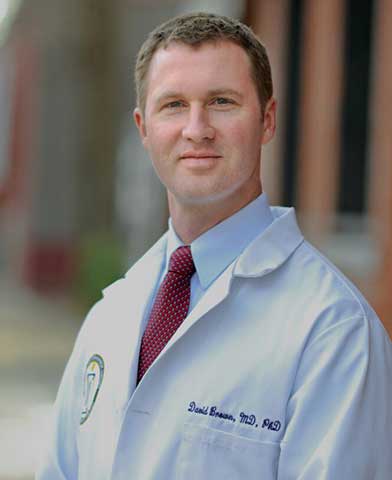
Dr Brown
HAND & UPPER EXTREMITY ORTHOPAEDIC SURGEON

David Brown, MD

Fellowship-Trained Hand & Upper Extremity Specialist

TL Headshot
HAND, SHOULDER & ELBOW ORTHOPAEDIC SURGEON

Tyler Luthringer, MD

Fellowship-Trained Upper Extremity Specialist

FREQUENTLY ASKED QUESTIONS

Elbow FAQs

What elbow conditions does CONA treat?
CONA’s Elbow Center treats a broad range of elbow conditions including tennis elbow (lateral epicondylitis), golfer’s elbow (medial epicondylitis), elbow fractures, elbow dislocations, cubital tunnel syndrome, ulnar nerve entrapment, elbow bursitis, UCL tears, and ruptured biceps tendons. Our specialists also offer treatment for elbow arthritis. If you don’t see your condition listed, contact our office for guidance.

What is tennis elbow, and do I have to play tennis to get it?
Tennis elbow is inflammation of the tendons on the outside of the elbow caused by repetitive arm and wrist motions. Despite the name, it commonly affects anyone who performs repetitive manual tasks — including painters, plumbers, carpenters, and computer users. Treatment typically starts with rest, anti-inflammatory medications, physical therapy, and bracing. More persistent cases may require injections or a minimally invasive procedure called elbow tenotomy.

When does elbow pain require surgery?
Surgery is considered when nonsurgical treatments — including rest, physical therapy, bracing, and injections — have not resolved the pain after a sufficient period. Conditions that more commonly require surgery include complete UCL tears (common in throwing athletes), elbow fractures that involve displaced bones, significant arthritis unresponsive to conservative care, and biceps tendon ruptures. Your CONA specialist will evaluate your imaging and symptoms to recommend the right approach.
What is cubital tunnel syndrome?
Cubital tunnel syndrome occurs when the ulnar nerve becomes compressed or irritated as it passes through the elbow. It can cause pain, numbness, and tingling in the ring and little fingers — a sensation similar to hitting your ‘funny bone.’ Mild cases are often managed with activity modification, splinting, and physical therapy. More severe or persistent cases may require surgical release of the nerve.

What should I expect after elbow surgery?
Before surgery, your CONA physician may order blood work, an EKG, or imaging. You will need to stop certain medications and avoid eating before the procedure. Recovery varies by surgery type — arthroscopic procedures may allow a return to light activity within weeks, while more complex procedures require longer rehabilitation. Your care team will provide a detailed post-operative plan including physical therapy and activity guidelines.
Can elbow problems cause symptoms in the shoulder or hand?
Yes. When the elbow is not functioning well, the shoulder often compensates by working harder, which can lead to shoulder pain or injury over time. Elbow nerve conditions like cubital tunnel syndrome and ulnar nerve entrapment can also cause symptoms in the hand and fingers. Early evaluation and treatment of elbow problems can help prevent these secondary issues from developing.

Move Forward Fast.

Same-day appointments. Board-certified spine specialists. Free 24/7 expert advice. Don’t wait on your spine.
WHERE WE ARE

Find a Location Near You

NorthGroveoffice1 425x202 1
1330 Boiling Springs Rd, Ste 1660 Spartanburg, SC 29303
Duncan Office CONA
115 Deacon Tiller Ct. Duncan, SC 29334
Greenville Office CONA
220 Roper Mountain Road Ext.
Greenville, SC 29615