
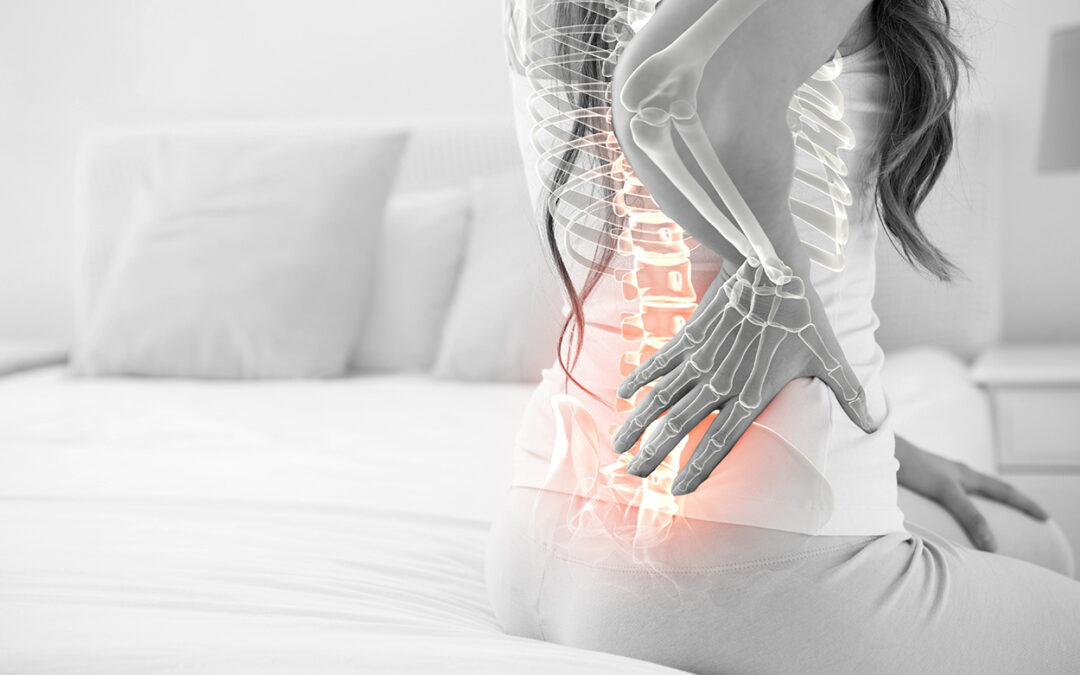
Is Surgery the Only Option for Spine Pain? Here’s What Our Surgeons Say
If you’ve been living with back pain, neck pain, or a spine condition, the word “surgeon” can feel alarming. You may be wondering if an operation is inevitable — or whether there are other options worth exploring first. The good news is that, for many people, spine pain treatment without surgery is not only possible, but it’s also where our specialists at Carolina Orthopaedic & Neurosurgical Associates (CONA) always start.
Our board-certified spine and neurosurgery team — Drs. Adkins, Chittum, Lim, and Shields — believes that surgery should be a carefully considered last resort, not a reflexive first step.
So what does conservative care actually look like? And when does surgery become the right answer? Here is a straightforward look at how our surgeons think about your options.
What is non-surgical spine care?
Non-surgical spine care refers to a range of treatments that can reduce pain, restore movement, and improve quality of life, without an operation. These approaches work by addressing the underlying causes of spine pain, including inflammation, muscle weakness, nerve compression, and joint stress.
Conditions that often respond well to conservative treatment include herniated discs, spinal stenosis (a narrowing of the spinal canal), sciatica (nerve pain radiating down the leg), degenerative disc disease, radiculopathy (nerve pain from the spine), and early-stage scoliosis (abnormal spinal curvature).
For many people with these diagnoses, the spine has the ability to adapt and heal with the right support, and non-surgical care can provide exactly that.
Conservative approaches your CONA team may recommend
Every patient is different. Your treatment plan will depend on your specific diagnosis, the severity of your symptoms, your overall health, and your goals. That said, there are several well-established non-surgical options your spine specialist may discuss with you.
Physical therapy
A structured physical therapy program can strengthen the muscles that support your spine, improve flexibility, and reduce pressure on affected nerves or discs. Many people find significant, lasting relief through a personalized therapy plan, especially when combined with other treatments.
Medication management
Anti-inflammatory medications, muscle relaxants, and nerve pain medications can play an important role in managing spine pain, particularly during flare-ups. Your provider will work with you to find the right approach based on your symptoms and health history.
Corticosteroid injections
Targeted injections deliver anti-inflammatory medication directly to the area causing pain, whether that is a disc, joint, or irritated nerve root. These can provide meaningful relief and buy valuable time for other conservative treatments to work.
Activity modification and lifestyle guidance
Simple changes to how you move, sit, lift, and sleep can have a significant impact on spine health. Your care team may provide specific guidance to help you protect your spine during daily activities while you recover.
When should you talk to a spine specialist?
It is a good idea to schedule a consultation if your back or neck pain has lasted more than a few weeks and is not improving, your pain is radiating into your arms or legs, you are experiencing numbness, tingling, or weakness in your extremities, pain is interfering with sleep, work, or daily activities, or you have tried home remedies or primary care treatment without lasting relief.
If you are experiencing sudden loss of bladder or bowel control, seek care immediately. This can be a sign of a serious spinal condition called cauda equina syndrome (compression of nerves at the base of the spine) that requires urgent evaluation.
Getting clarity starts with a conversation
Living with spine pain is exhausting, and worrying about what treatment might mean for your life can make it even harder. The most important thing you can do is get the right information from the right team. Spine pain treatment without surgery is a real, evidence-based option for many people, and knowing whether it is right for you starts with a single appointment.
The spine and neurosurgery team at Carolina Orthopaedic & Neurosurgical Associates is here to give you answers and a plan you can feel confident in. Schedule a consultation at carolinaona.com/spine or call us at (843) 583-CONA. Our 24/7 Hurt Line is also available any time you need to connect with a certified orthopaedic specialist.
This content is for educational purposes only and does not constitute medical advice, diagnosis, or treatment. Always consult a qualified healthcare provider regarding your specific condition.